
Prototype-to-Production Transition Readiness Manual
- Precision Machining Tolerance Verification Guide
- Injection Molding Design for Manufacturability Checklist
- Additive Manufacturing Structural Integrity Assessment
- Material Selection and Durability Evaluation Protocol
- Prototype-to-Production Transition Readiness Manual
- Functional Assembly Fit and Clearance Validation Kit
Prototype-to-Production Transition Readiness Manual
Bridging the Gap Between Concept and Reality
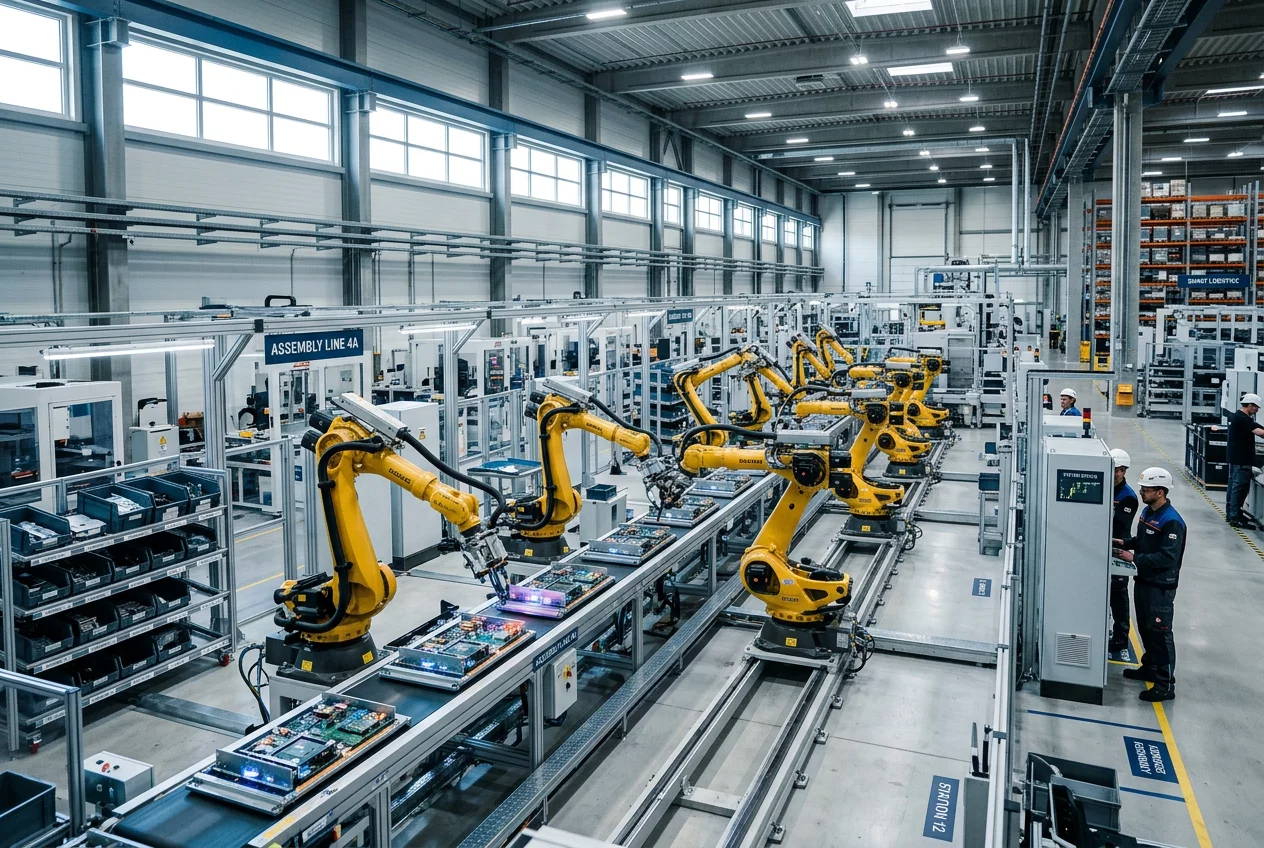
The transition from a final functional prototype to full-scale production is often referred to as the 'Valley of Death' in product development. It is the stage where minor design flaws become major production bottlenecks and where the cost of changes skyrockets. Achieving production readiness requires a holistic view of the manufacturing ecosystem, encompassing quality control, supply chain management, and assembly line optimization. This manual provides a structured framework for auditing your project’s readiness, ensuring that when the 'start' button is pressed on the production line, the result is a high-quality product delivered on time and within budget.
Design for Manufacturing and Assembly (DFMA) Audit
Before moving to production, the design must undergo a final DFMA audit. This process involves stripping away any complexity that does not add value. Can two parts be combined into one? Can fasteners be replaced with snap-fits to speed up assembly? The goal is to minimize the part count and simplify the assembly sequence. A production-ready design is one that is 'forgiving'—it accounts for the slight variations inherent in mass production without failing. PartPass Field Guide emphasizes that every second saved on the assembly line and every gram of material reduced contributes directly to the product's commercial viability.
Quality Assurance and Inspection Planning
Scaling production means you can no longer inspect every single part with the same level of detail as a prototype. Production readiness involves creating a Quality Assurance (QA) plan that uses statistical sampling to maintain standards. This includes defining Critical-to-Quality (CTQ) dimensions that must be measured on every batch and developing the necessary inspection jigs and fixtures to make these checks fast and accurate. Establishing clear 'Pass/Fail' criteria and defect catalogs ensures that quality remains consistent even as different operators and shifts take over the production process. A robust QA plan is the best defense against costly product recalls.
Vendor Auditing and Supply Chain Resilience
Production is rarely a solo effort; it relies on a network of suppliers providing raw materials, components, and specialized services. Readiness involves auditing these vendors to ensure they can meet the increased volume without sacrificing quality. This includes evaluating their production capacity, financial stability, and quality management systems. Developing a secondary source for critical components is a key strategy for building supply chain resilience. By diversifying your supplier base, you protect the production timeline from localized disruptions, such as equipment failure at a single factory or logistical delays in a specific region.
Documentation and Standard Operating Procedures
The final pillar of production readiness is documentation. In a prototype environment, knowledge often lives in the heads of the designers. In production, that knowledge must be transferred to the shop floor through clear, unambiguous Standard Operating Procedures (SOPs). These documents detail every step of the manufacturing and assembly process, including tool settings, safety protocols, and packaging instructions. Comprehensive documentation ensures that the process is repeatable and that new staff can be trained quickly. This 'institutionalized' knowledge is what allows a manufacturing operation to scale efficiently while maintaining the high standards established during the prototyping phase.