
Material Selection and Durability Evaluation Protocol
- Precision Machining Tolerance Verification Guide
- Injection Molding Design for Manufacturability Checklist
- Additive Manufacturing Structural Integrity Assessment
- Material Selection and Durability Evaluation Protocol
- Prototype-to-Production Transition Readiness Manual
- Functional Assembly Fit and Clearance Validation Kit
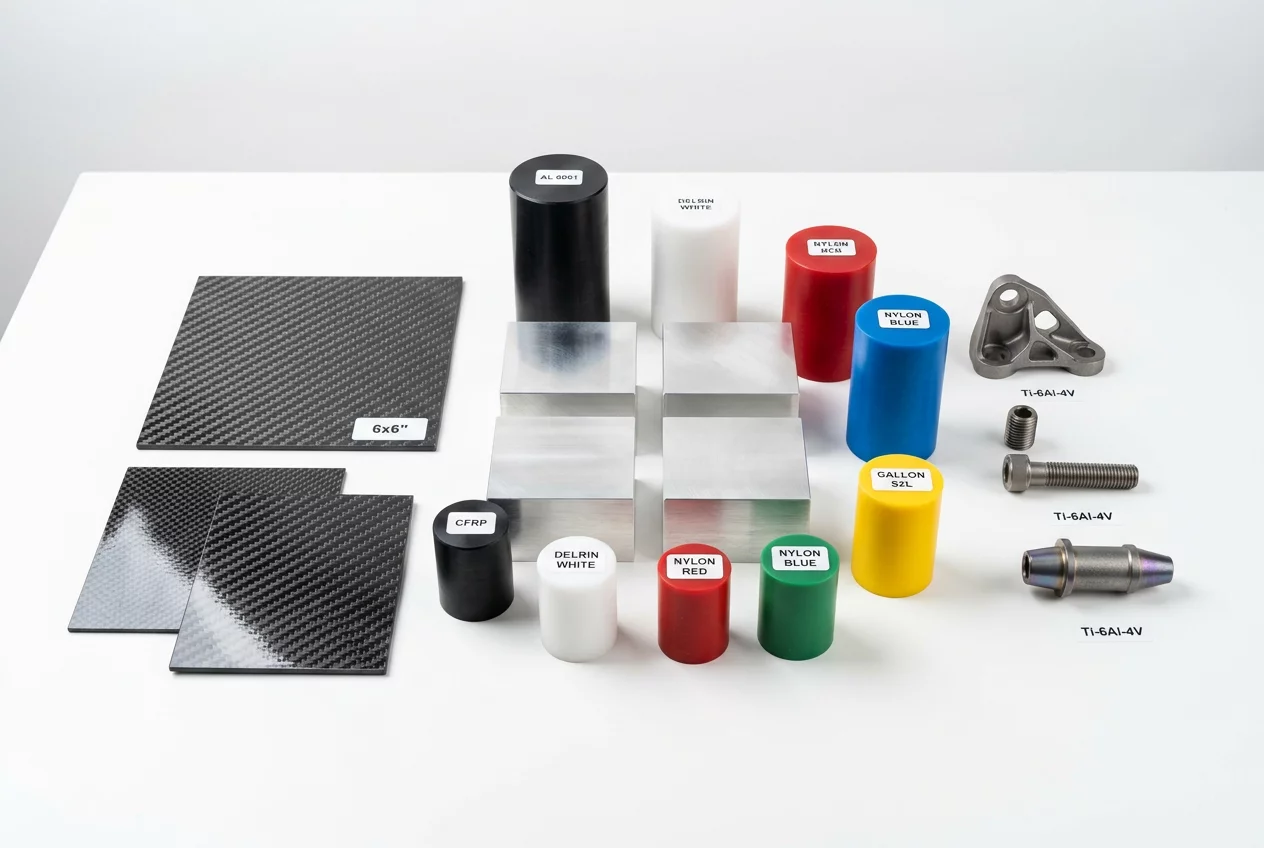
Material Selection and Durability Evaluation Protocol
Matching Material Properties to Functional Requirements
Selecting the right material is perhaps the most consequential decision in the product development cycle. A brilliant design executed in the wrong material will inevitably fail, while a mediocre design in the right material might just survive. The challenge lies in the sheer variety of options available, from high-performance engineering thermoplastics to aerospace-grade alloys. A systematic evaluation protocol helps engineers navigate these choices by prioritizing functional requirements such as tensile strength, thermal stability, and chemical resistance. This guide outlines how to vet materials to ensure long-term durability in the field.
Mechanical Properties and Stress-Strain Analysis
The first step in material selection is defining the mechanical loads the part will encounter. Tensile strength, yield strength, and elongation at break provide a snapshot of how a material reacts to force. However, durability evaluation must go further, considering fatigue—the tendency of a material to break under repeated loading even at levels below its yield point. Engineers use stress-strain curves to understand the elastic and plastic regions of a material's behavior. Choosing a material with a high safety factor is common, but over-specifying can lead to unnecessary costs and manufacturing difficulties, making a balanced approach essential.
Environmental Durability and Degradation
Materials do not exist in isolation; they interact with their environment. A polymer that performs perfectly in a laboratory might become brittle when exposed to UV radiation from sunlight or swell when in contact with industrial oils. The evaluation protocol must include testing for environmental stress cracking and chemical compatibility. For metal parts, corrosion resistance is the primary concern, requiring the selection of appropriate alloys or protective coatings. Understanding how temperature affects these properties is equally important, as many materials lose significant strength as they approach their glass transition temperature or melting point.
Thermal Stability and Heat Dissipation
In many modern applications, particularly in electronics and automotive sectors, managing heat is a critical function of the material. Thermal conductivity determines how quickly a part can dissipate heat, while the coefficient of thermal expansion (CTE) dictates how much it will grow or shrink as temperatures change. If two mating parts have widely different CTEs, the resulting thermal stress can lead to assembly failure. The PartPass Field Guide recommends simulating thermal cycles during the evaluation phase to ensure that the chosen material maintains its dimensional stability and structural integrity throughout the expected operating temperature range.
Cost-Benefit Analysis and Supply Chain Viability
Performance is not the only metric for success; economic and logistical factors are just as vital. A material might be technically perfect but prohibitively expensive or subject to long lead times that jeopardize production schedules. The evaluation protocol includes a thorough cost-benefit analysis, comparing high-end materials against more common alternatives that might meet the requirements with slight design modifications. Furthermore, verifying the availability of the material from multiple suppliers reduces the risk of supply chain disruptions. A sustainable material strategy looks at the entire lifecycle, including the ease of recycling or disposal at the end of the product's life.