
The Cost of Slow Iteration
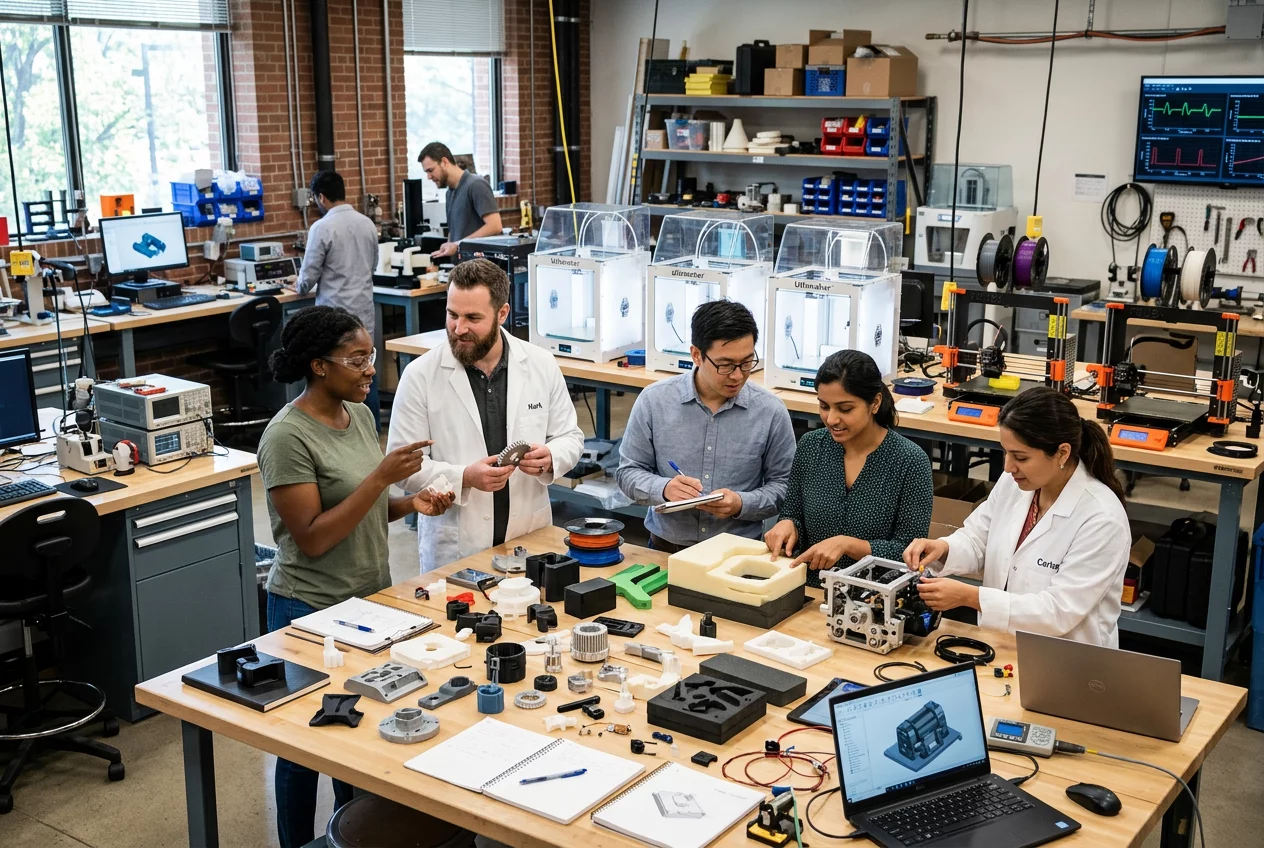
In the competitive world of hardware development, speed is often the deciding factor between success and failure. Long iteration cycles drain budgets and allow competitors to reach the market first. Reducing the time between a design concept and a validated prototype is the primary goal of any efficient R&D department. Achieving this requires a combination of advanced software, rapid manufacturing, and a culture of experimentation.
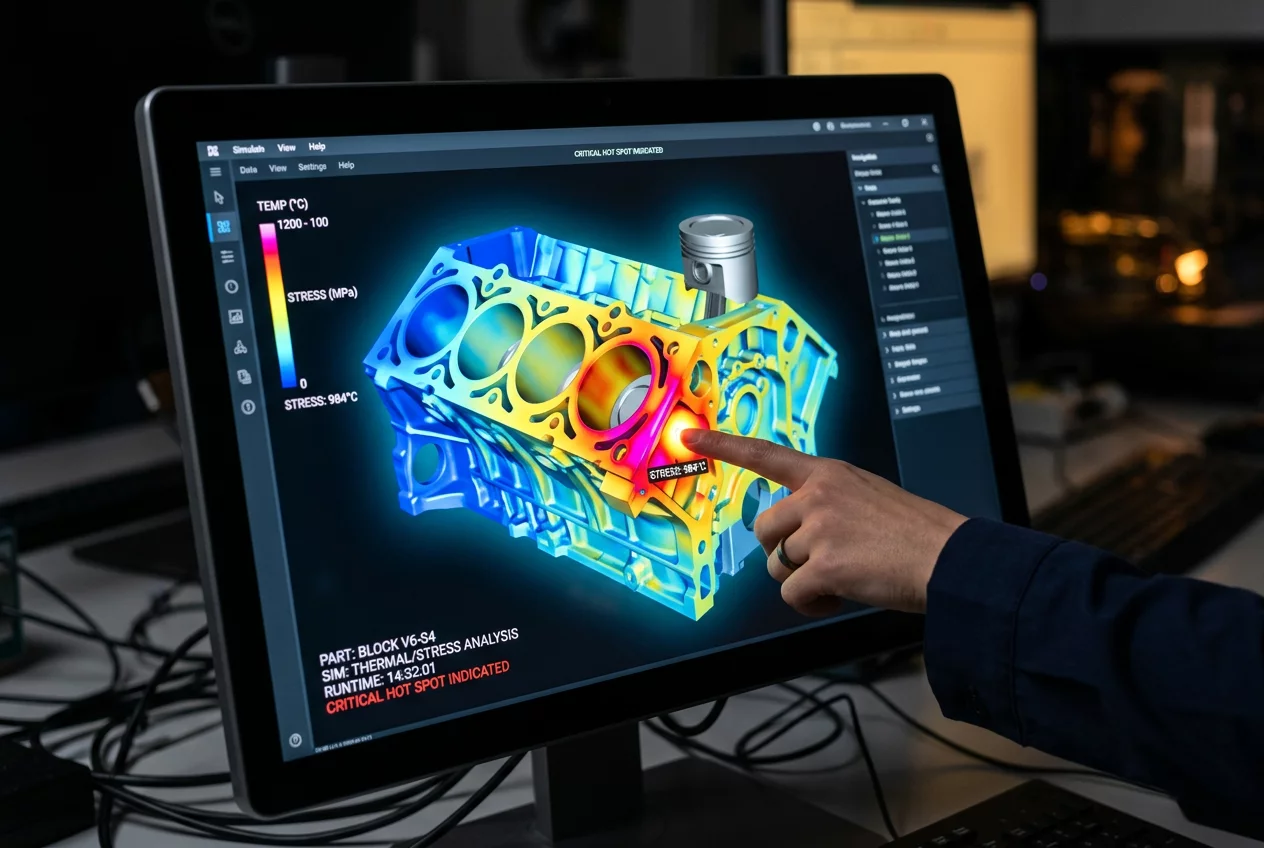
Digital twins and high-fidelity simulations provide the first line of defense against slow cycles. By testing a design in a virtual environment, engineers identify major flaws before a single physical part is made. These simulations model mechanical stress, thermal expansion, and fluid dynamics with incredible accuracy. The software provides immediate feedback, allowing for dozens of virtual iterations in the time it takes to produce one physical prototype.
Rapid Prototyping as a Standard
Physical prototypes remain necessary for final validation and user testing. The key is to choose the fastest manufacturing method that provides the required information. 3D printing, laser cutting, and quick-turn CNC machining are the workhorses of rapid R&D. The PartPass Field Guide suggests maintaining in-house capabilities for these processes to avoid the lead times associated with external vendors.
Fail fast and fail early is a mantra that every R&D team should adopt. Encouraging engineers to build 'ugly' prototypes that test specific functions rather than full systems speeds up the learning process. A cardboard and duct tape model can sometimes answer a critical question just as effectively as a machined aluminum part. The focus should be on gathering data, not creating a finished product in the early stages.
Streamlining Communication and Feedback
Bottlenecks often occur in the communication between different departments. If the design team must wait days for feedback from the manufacturing team, the cycle stalls. Integrated software platforms that allow all stakeholders to view and comment on the 3D model in real-time help eliminate these delays. Direct collaboration ensures that manufacturing constraints are considered from the very beginning of the design process.
Customer feedback loops should also be shortened. Getting a prototype into the hands of a user early provides insights that no simulation can replicate. These early interactions often reveal unexpected use cases or ergonomic issues. Addressing these problems early prevents costly redesigns late in the development cycle when changes are much harder to implement.
Automation in Testing
Testing is often the most time-consuming part of the iteration cycle. Automating repetitive test procedures allows for continuous validation. For example, a robotic arm can cycle a physical button thousands of times to test durability while the engineer focuses on other tasks. Automated data collection ensures that every test result is recorded accurately and is available for analysis immediately. The faster the data returns, the faster the next iteration begins.

0 Comments