
Beyond the Human Eye
Quality inspection has traditionally been a labor-intensive process prone to human error. As manufacturing speeds increase and tolerances tighten, manual inspection becomes a bottleneck. The future of quality control lies in fully automated systems that utilize artificial intelligence and advanced sensor technology. These systems offer a level of precision and consistency that humans simply cannot match over long shifts.
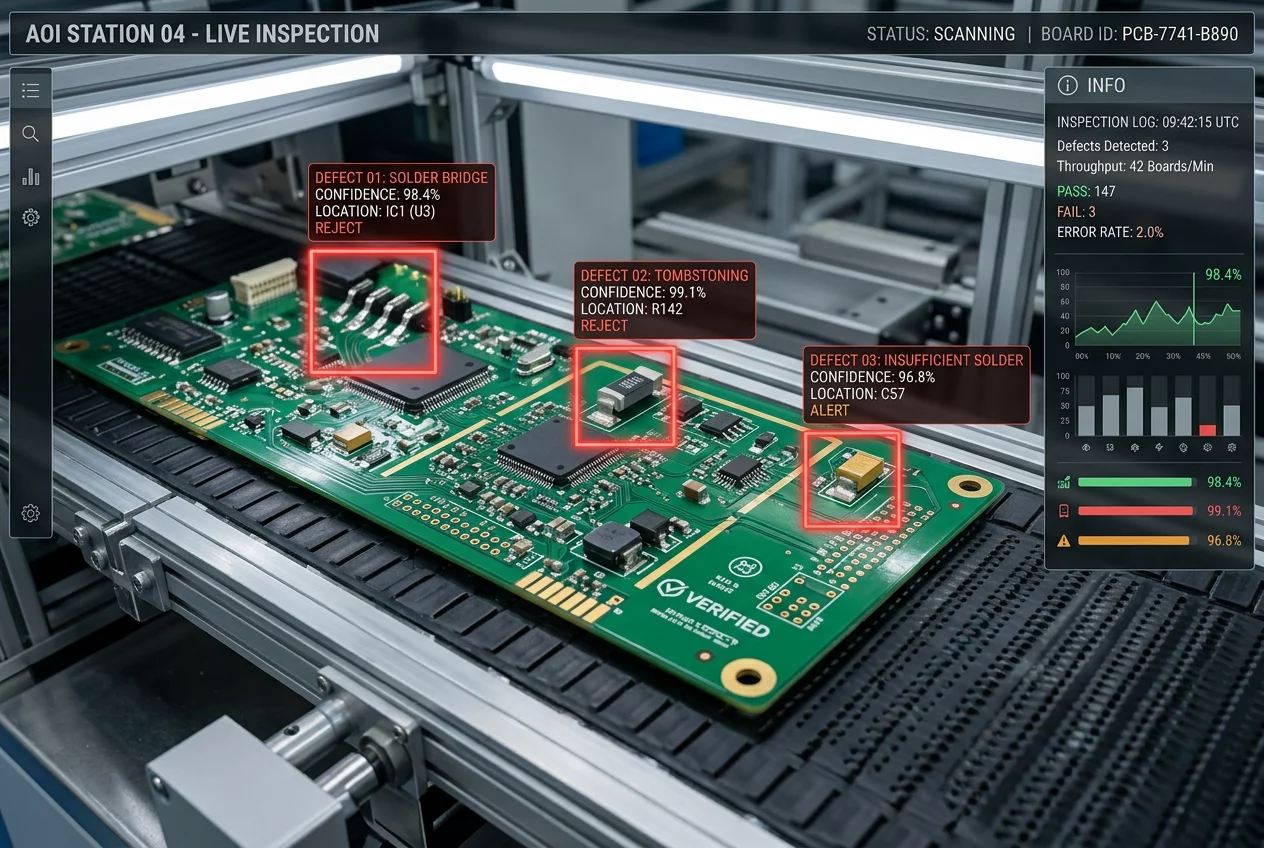
Computer vision stands at the forefront of this revolution. High-resolution cameras coupled with deep learning algorithms can detect surface defects, dimensional inaccuracies, and assembly errors in milliseconds. These systems learn from thousands of images, becoming more accurate over time. The PartPass Field Guide highlights how these tools are now being integrated directly into the production line, allowing for 100% inspection of every part produced.
Metrology and Non-Contact Sensors
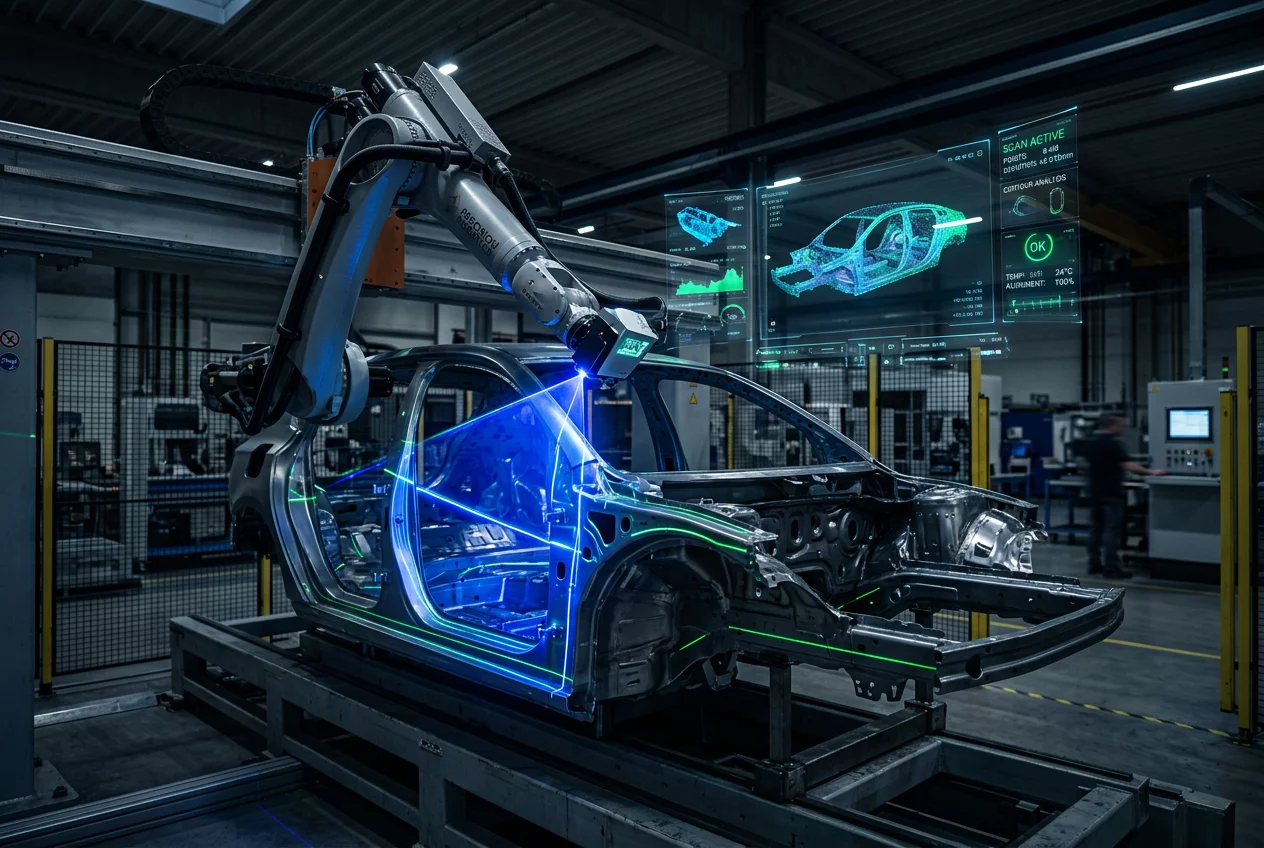
Traditional metrology involves physical contact with the part using probes. This is slow and risks damaging delicate surfaces. The future belongs to non-contact sensors such as laser scanners and structured light systems. These tools create a high-density point cloud of the part's surface in seconds. The software then compares this cloud to the original CAD model, highlighting any deviations instantly.
X-ray and CT scanning are also becoming faster and more affordable. These technologies allow for the inspection of internal features without destroying the part. This is particularly important for complex 3D printed components and assemblies where internal defects could lead to catastrophic failure. Automated analysis of these scans ensures that internal voids or cracks are identified without manual review.
Integration with the Industrial Internet of Things
Automated inspection systems do not operate in isolation. They are increasingly connected to the broader factory network through the Industrial Internet of Things (IIoT). Data from the inspection station flows back to the machines that produced the part. If the system detects a trend—such as a tool slowly wearing out—it can automatically adjust the machine settings to compensate. This proactive approach prevents defects before they even occur.
This connectivity also enables full traceability. Every part can be linked to its specific inspection report, material batch, and production time. In the event of a field failure, the company can quickly identify other potentially affected parts. This level of transparency is essential for industries like medical devices and aerospace where safety is the top priority.
The Role of Augmented Reality
While automation handles the bulk of the work, humans still play a role in complex decision-making. Augmented reality (AR) assists inspectors by overlaying digital information onto the physical part. An inspector wearing AR glasses can see exactly where a defect was detected by the automated system, making the repair or sorting process much faster. AR also helps in training new staff by providing step-by-step visual guides for complex inspection procedures.
The transition to automated quality inspection requires a significant upfront investment in equipment and training. However, the long-term benefits in terms of reduced scrap, higher throughput, and improved customer satisfaction are undeniable. The factory of the future will be a place where quality is not just checked, but built into every step of the process through intelligent automation.

0 Comments