

Revolutionizing the Design Phase
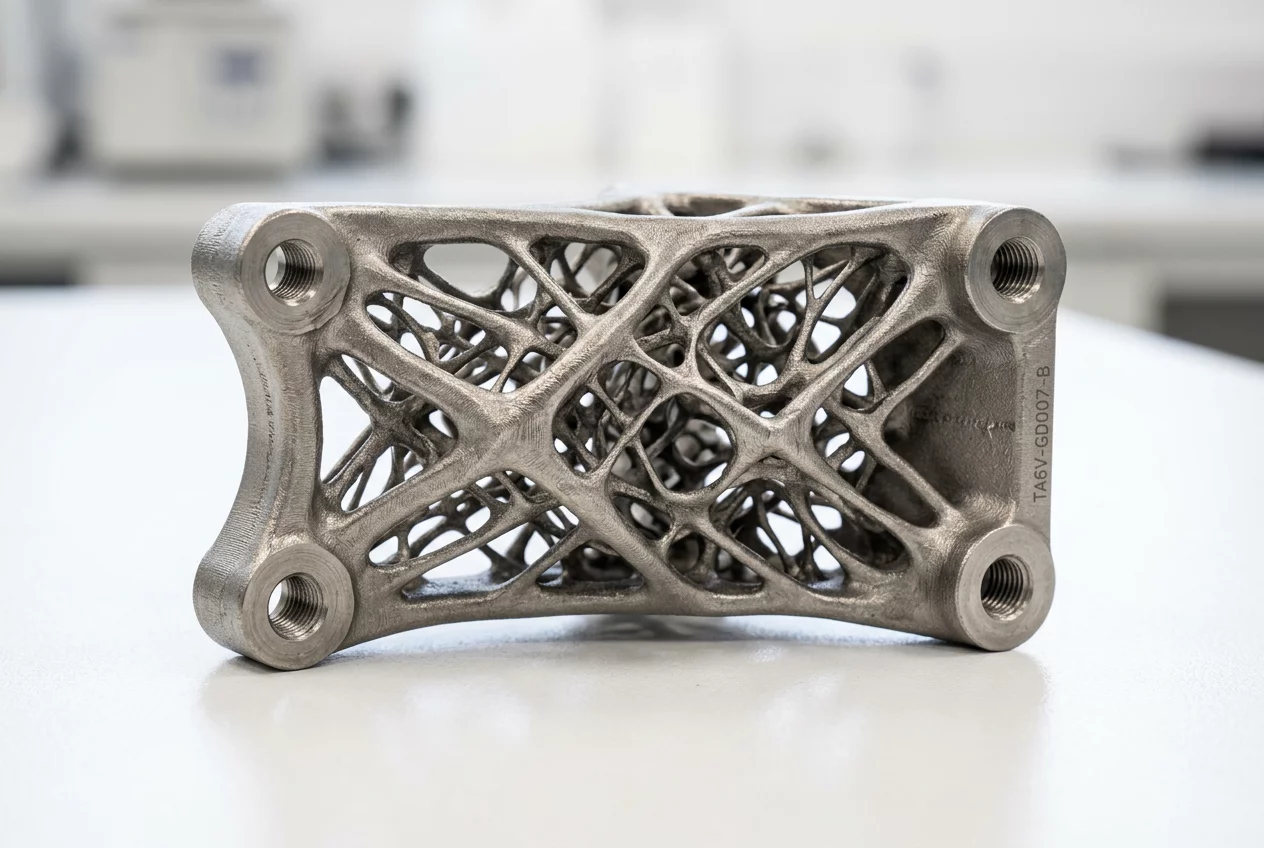
Generative artificial intelligence has transitioned from a digital novelty to a fundamental cornerstone of modern hardware engineering. Engineers utilize these sophisticated algorithms to explore a vast design space that was previously inaccessible through manual methods. The software processes specific constraints such as weight, material strength, and manufacturing cost to produce optimized geometries. These structures often resemble organic forms found in nature, providing a level of efficiency that human designers rarely achieve alone.
The traditional design process typically involves a linear progression from sketch to CAD model. Generative AI disrupts this cycle by offering hundreds of viable solutions simultaneously. Designers then select the most promising candidates for further refinement. This shift allows the PartPass Field Guide team to focus on high-level strategic decisions rather than repetitive modeling tasks. The technology acts as a force multiplier, enabling small teams to compete with large corporations in terms of innovation speed.
Optimization and Material Efficiency
Material waste represents a significant concern in hardware production. Generative design tools address this issue by placing material only where it is strictly necessary to withstand mechanical loads. This approach results in parts that are significantly lighter yet maintain the required structural integrity. Aerospace and automotive industries have already seen massive benefits from these weight reductions. A lighter part requires less energy to transport and operate, leading to long-term sustainability gains.
Complexity no longer carries a cost penalty when using additive manufacturing alongside AI. Traditional machining struggles with the intricate internal channels that generative algorithms often suggest. However, 3D printing handles these complexities with ease. The synergy between these two technologies creates a new paradigm for prototyping. Engineers now print parts that were physically impossible to manufacture a decade ago.
Challenges in Implementation
Integration of AI into the workflow requires a change in mindset. Engineers must learn to define problems in terms of goals and constraints rather than specific shapes. This transition demands a deep understanding of physics and material science. Without accurate input data, the AI might generate designs that look impressive but fail in real-world conditions. Validation remains a critical step in the prototyping journey.
Software costs and computational requirements also pose hurdles for smaller firms. High-end generative tools demand significant processing power and expensive licenses. Nevertheless, the market is seeing a democratization of these tools as cloud-based solutions become more affordable. The accessibility of AI-driven design is expected to grow, leveling the playing field for hardware startups globally.
The Future Outlook
Future iterations of generative AI will likely incorporate real-time manufacturing feedback. Systems might soon suggest design changes based on the specific capabilities of a local CNC machine or 3D printer. This closed-loop system would further reduce the gap between a digital concept and a physical prototype. The hardware world stands on the brink of a creative explosion fueled by machine intelligence.

3 Comments
Beverly Harris
This article really highlights the shift in my daily workflow. Generative AI isn't replacing us; it's giving us better starting points for complex structures.
Emily Hawkins
Exactly, Sarah! It's a tool that amplifies our creativity rather than a replacement for engineering intuition.
Paula Robinson
I'm curious about the validation process. How do you ensure the AI-generated lattices don't have hidden stress points that simulation misses?