
Pushing the Limits of Flight
Aerospace engineering demands the highest levels of performance and reliability. Metal additive manufacturing has risen to meet these challenges, offering solutions that traditional casting and forging cannot match. Several key innovations are currently reshaping how aircraft and spacecraft are designed and built. These advancements focus on speed, scale, and material integrity.
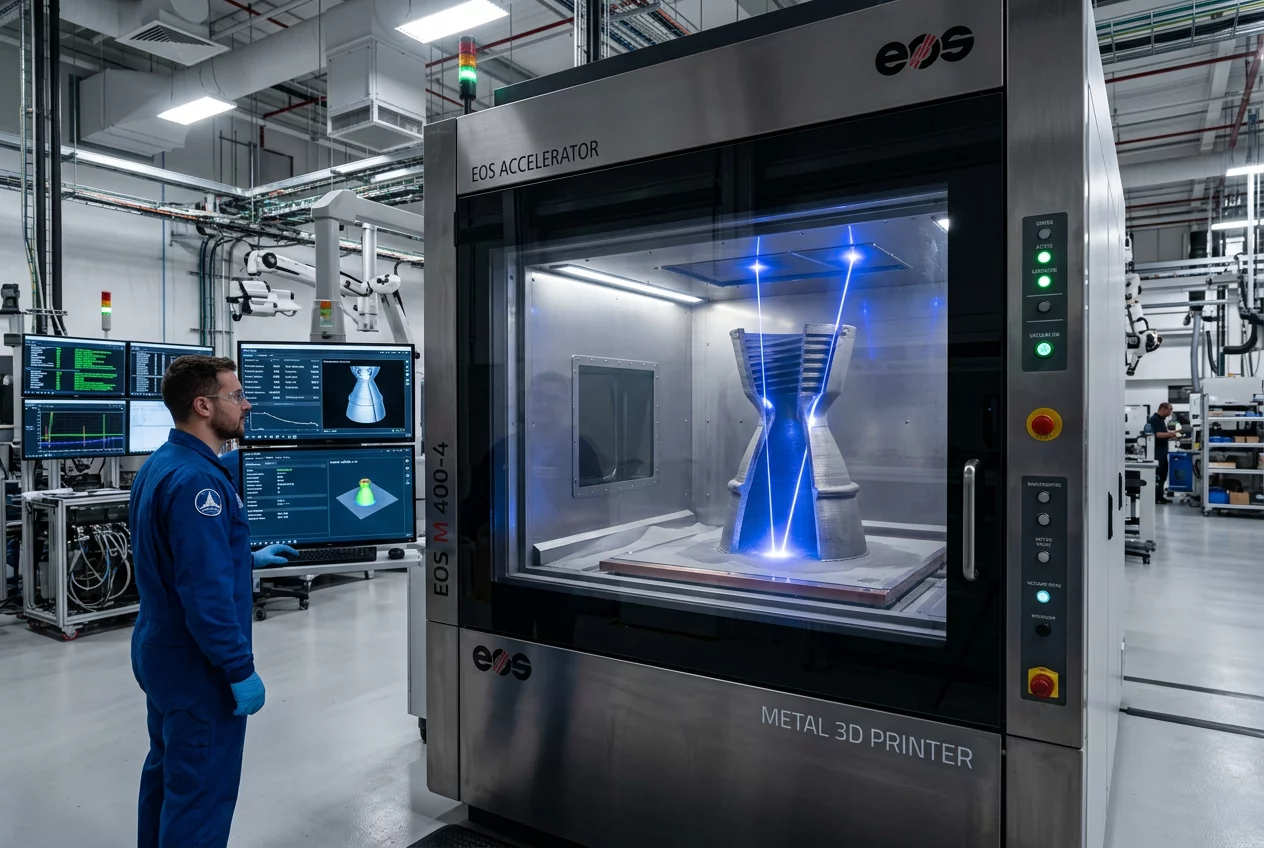
Multi-laser systems represent one of the most significant leaps in productivity. By using four, eight, or even twelve lasers simultaneously, machines can build large parts in a fraction of the time required by single-laser systems. This increased throughput makes 3D printing a viable option for larger production volumes. The PartPass Field Guide tracks these developments closely to help engineers choose the right equipment for their specific needs.
1. Large-Format Laser Powder Bed Fusion
Size constraints were once the biggest limitation for metal 3D printing. New large-format machines now feature build chambers exceeding one meter in length. This allows for the production of massive components like combustion chambers or structural wing ribs as single pieces. Reducing the number of joints and fasteners simplifies the assembly process and significantly lowers the overall weight of the aircraft.
2. In-Situ Process Monitoring
Ensuring the quality of a 3D printed metal part is difficult because defects can hide deep within the structure. In-situ monitoring systems use high-speed cameras and sensors to analyze the melt pool in real-time. If the system detects a temperature fluctuation or a layer defect, it alerts the operator immediately. This technology drastically reduces the need for expensive post-build inspections like X-ray or CT scanning.
3. Advanced Refractory Alloys
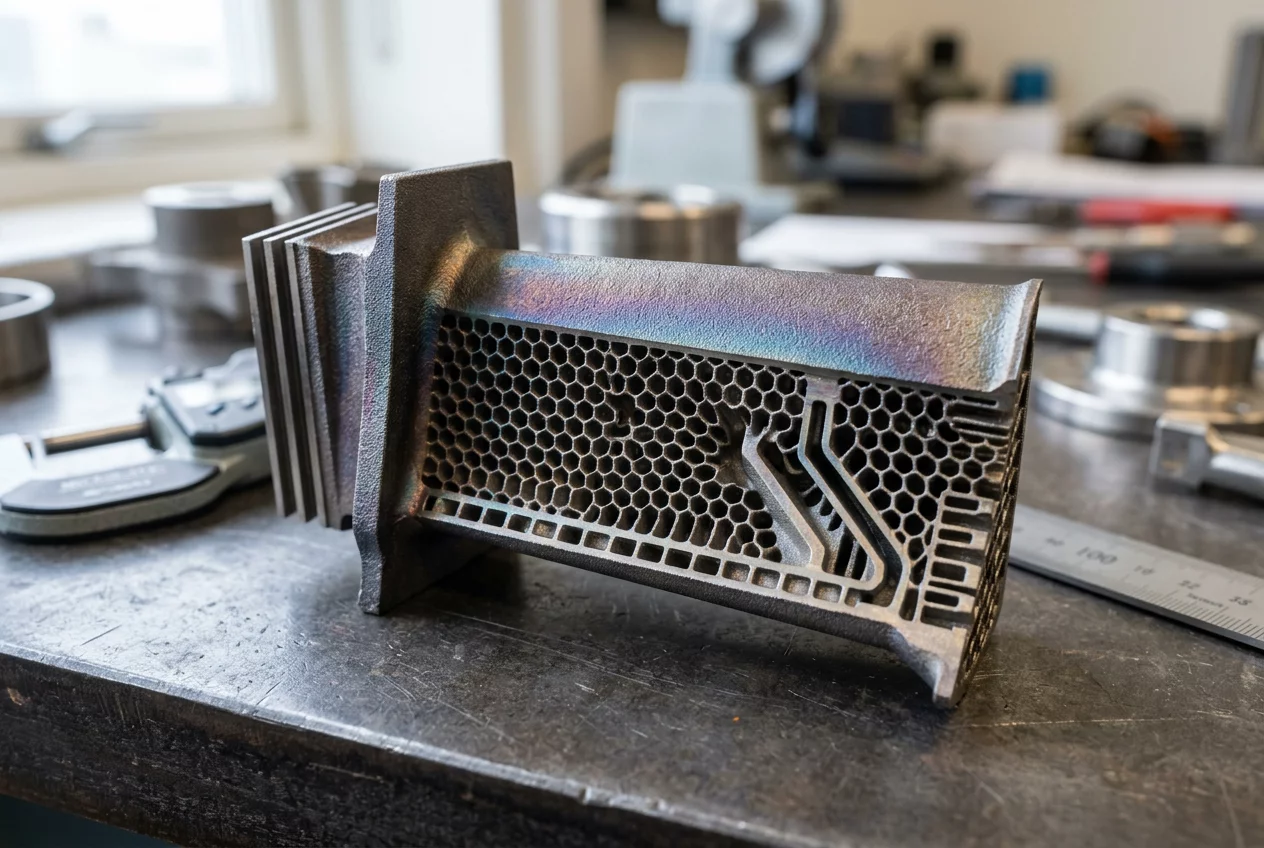
Modern jet engines operate at extreme temperatures that would melt most standard metals. Innovations in material science have introduced 3D-printable refractory alloys and superalloys. These materials maintain their strength at temperatures exceeding 1000 degrees Celsius. Printing these alloys allows for the creation of intricate internal cooling channels that improve engine efficiency and lifespan.
4. Hybrid Manufacturing Systems
Hybrid machines combine the additive capabilities of 3D printing with the subtractive precision of CNC machining. A part is built layer-by-layer, and then a milling head finishes critical surfaces to exact tolerances within the same setup. This approach ensures that functional interfaces are perfect while maintaining the geometric freedom of additive manufacturing. It streamlines the workflow and reduces the chance of errors during part transfer between machines.
5. Automated Powder Handling
Handling fine metal powders is hazardous and time-consuming. Automated powder management systems now handle the entire lifecycle of the material, from sieving to recycling. These closed-loop systems minimize human exposure to potentially toxic dust and ensure consistent powder quality. Consistency in material leads to consistency in the final printed part, which is paramount in aerospace applications.
0 Comments