
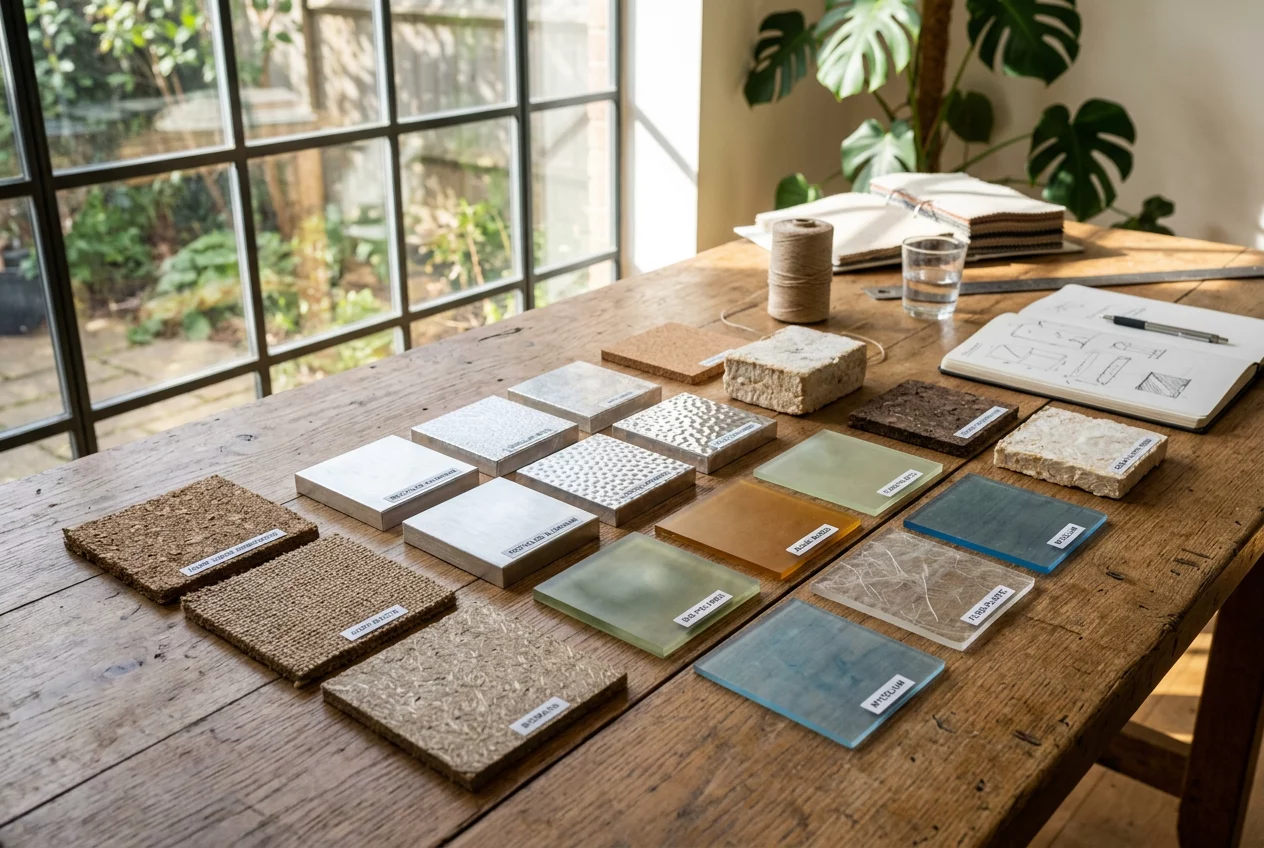
The Shift Toward Circular Materials
Sustainability has evolved from a marketing buzzword into a technical requirement for industrial designers in 2026. The focus has shifted toward materials that support a circular economy. Designers now prioritize substances that can be easily disassembled, recycled, or composted at the end of a product's lifecycle. This transition requires a deep understanding of the chemical composition and long-term durability of new material alternatives.
Bio-based resins and polymers lead this movement. These materials derive from agricultural waste or lab-grown mycelium rather than petroleum. They offer mechanical properties comparable to traditional plastics while significantly reducing the carbon footprint of production. The PartPass Field Guide emphasizes the importance of testing these materials early in the prototyping phase to ensure they meet safety and performance standards.
Recycled Metals and Low-Carbon Alloys
Metal production remains energy-intensive, but the rise of recycled alloys is changing the landscape. Aluminum and steel produced from recycled scrap require a fraction of the energy compared to virgin ore extraction. Innovations in sorting technology allow for higher purity in recycled streams, making these metals suitable for high-performance applications. Engineers now specify 'green' steel for structural components, reducing the overall environmental impact of hardware projects.
Addictive manufacturing plays a role here as well. Metal 3D printing allows for the use of atomized recycled powders. This process minimizes waste by only using the exact amount of material needed for the part. Any unused powder in the build chamber is collected and reused in the next cycle, creating a nearly zero-waste production loop.

Natural Fibers and Reinforcements
Composite materials are notorious for being difficult to recycle. However, the emergence of natural fiber reinforcements like flax, hemp, and bamboo offers a sustainable alternative to glass or carbon fibers. These natural fibers provide excellent vibration damping and specific strength. When combined with bio-resins, they create fully biodegradable composites for non-structural or semi-structural parts.
The aesthetic of these materials also appeals to modern consumers. The visible textures of natural fibers convey a sense of authenticity and environmental responsibility. Designers often choose to leave these surfaces exposed rather than covering them with paint or coatings. This choice simplifies the recycling process by avoiding contamination from synthetic finishes.
Regulatory Pressures and Market Demand
Stricter environmental regulations across Europe and North America drive much of this innovation. Companies must now provide detailed life-cycle assessments for their products. Failure to meet carbon targets can lead to significant fines or market exclusion. Consumers also demand transparency, frequently checking the origins of the materials in their electronics and appliances.
Adopting sustainable materials is no longer just an ethical choice; it is a business necessity. Companies that fail to adapt risk losing their competitive edge in a market that values longevity and ecological balance. The future of industrial design lies in the harmony between high-performance engineering and planetary health.


0 Comments