
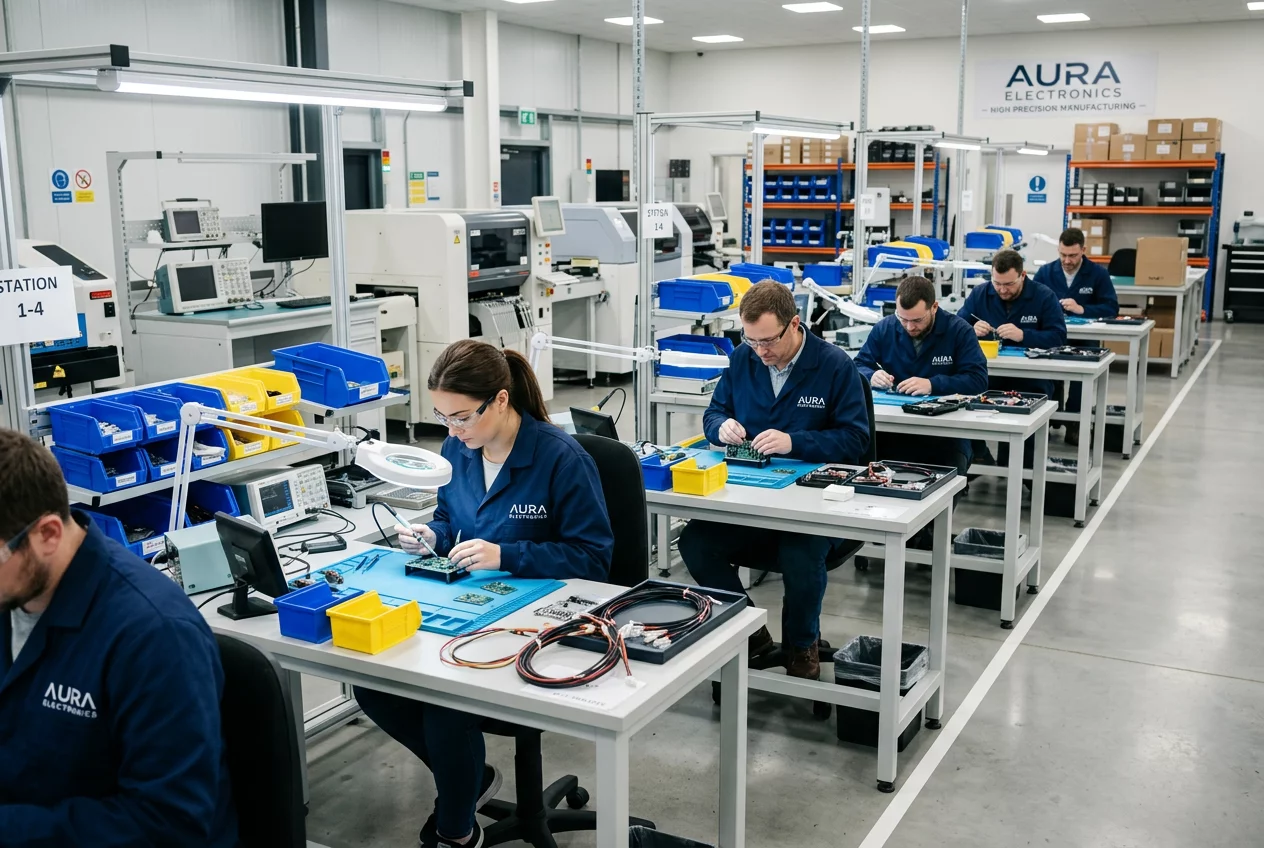
The Middle Ground of Production
Low-volume manufacturing occupies the difficult space between individual prototyping and mass production. This phase usually involves quantities ranging from a few dozen to several thousand units. Many hardware startups struggle here because the economics of scale do not yet apply, while the costs of professional tooling remain prohibitively high. Navigating this stage requires a strategic approach to sourcing and process selection.
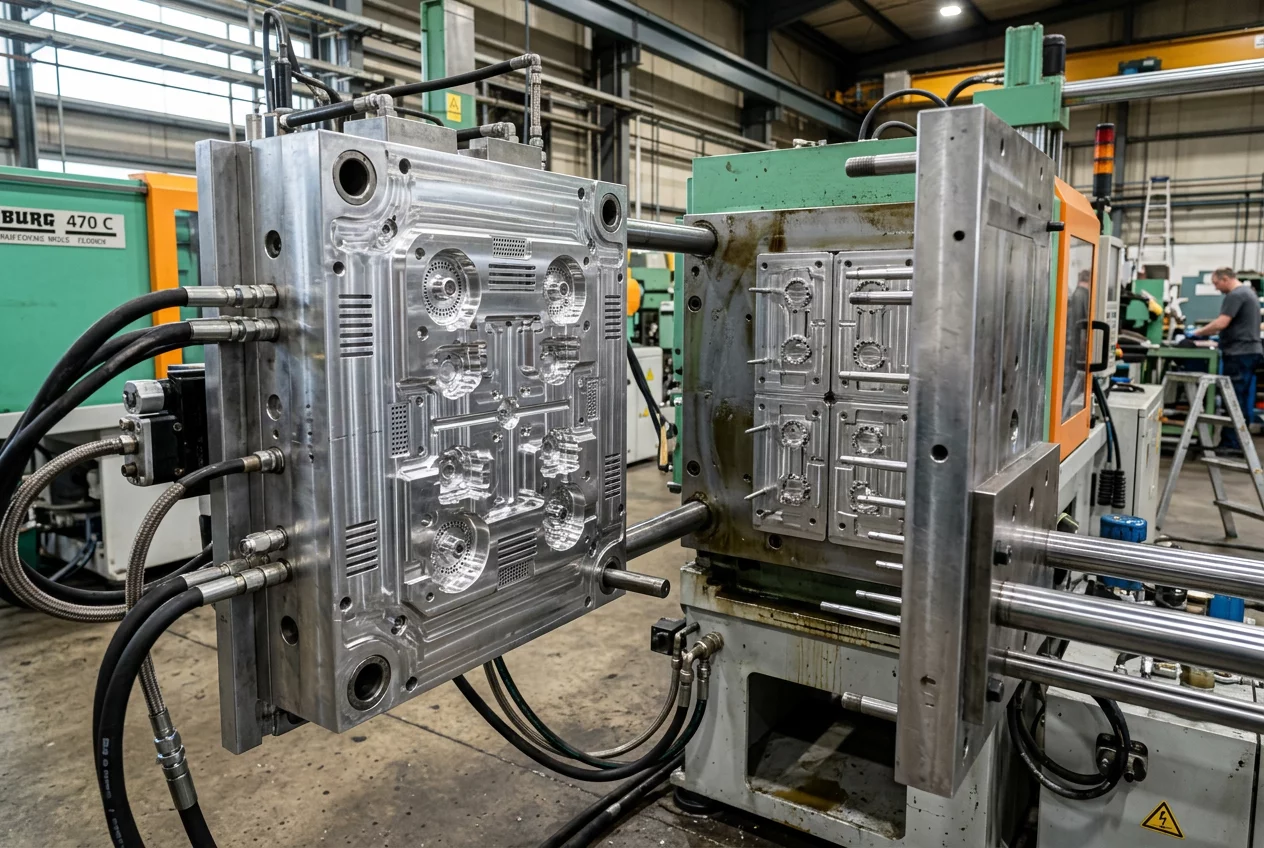
Bridge tooling serves as a vital solution for many companies. Instead of investing in expensive hardened steel molds, engineers opt for aluminum or soft steel. These molds cost significantly less and can be produced much faster. They typically last for a few thousand cycles, which perfectly matches the needs of a low-volume run. This allows the team to enter the market and generate revenue while validating the final product design.
Process Selection for Small Batches
Choosing the right manufacturing process is critical for maintaining margins. CNC machining offers high precision and requires no upfront tooling costs, but the price per part remains constant regardless of volume. In contrast, injection molding has a high initial cost but a very low per-part cost. Urethane casting provides a middle ground, offering production-quality plastic parts with low-cost silicone molds.
The PartPass Field Guide recommends evaluating the total cost of ownership for each method. Engineers must account for lead times, shipping, and quality control expenses. Sometimes, a slightly more expensive domestic supplier provides better value than a cheaper overseas option due to reduced logistical risks and faster communication. Flexibility is the primary advantage of low-volume production.
Supply Chain Resilience
Small-batch manufacturing is particularly vulnerable to supply chain disruptions. A single delayed component can halt the entire assembly line. Diversifying suppliers helps mitigate this risk. Maintaining a small buffer of critical parts ensures that production continues even during minor market fluctuations. Building strong relationships with local vendors often leads to better service and priority during busy periods.
Digital inventory management tools are becoming essential. These systems track part counts in real-time and automatically trigger reorders when stock levels drop. By automating these tasks, teams reduce the likelihood of human error and stockouts. Data-driven decision-making allows for leaner operations without sacrificing reliability.
Quality Control in Small Batches
Quality standards must remain high, even when production numbers are low. Every part represents the brand's reputation to early adopters. Implementing a robust inspection protocol ensures that defects are caught before they reach the customer. This might involve manual measurements for very small runs or automated optical inspection for larger batches. Consistency is the goal of every successful manufacturing operation.
Documentation plays a key role in quality assurance. Maintaining detailed records of material batches, machine settings, and inspection results helps identify the root cause of any issues. If a failure occurs, the team can quickly trace the problem back to a specific production window. This transparency builds trust with both investors and customers.


1 Comments
Stella Rodriguez
Low-volume is always the hardest phase for our startup. The tip about bridge tooling is spot on; it saved us months of waiting for steel molds.